

Creative event scenography research has revolutionized how designers approach immersive experiences, delivering 40% higher attendee engagement rates according to 2024 industry studies by Event Marketing Institute. Modern research methodologies combine spatial psychology, digital innovation, and sensory design to create transformative environments that resonate deeply with audiences. But how can event professionals harness these research-driven strategies to elevate their creative practice?
Contemporary Research Methodologies for Event Design Excellence
Modern event design research has evolved beyond traditional observational studies to embrace immersive methodologies that capture the full spectrum of attendee experiences. Today's scenographic researchers employ sophisticated ethnographic techniques, spending extended periods within event environments to understand how spatial design influences human behavior and emotional responses.
Participatory research methods have emerged as particularly valuable tools in contemporary event design studies. These approaches involve attendees as active research partners, using real-time feedback collection, mobile sensing technologies, and collaborative mapping exercises to document their journey through designed spaces. This methodology provides unprecedented insights into how different demographic groups navigate and respond to various scenographic elements.
Digital observation technologies now complement traditional field research, enabling researchers to track movement patterns, measure biometric responses, and analyze social interactions within event spaces. Combined with post-event interviews and focus groups, these multi-layered approaches create comprehensive data sets that inform evidence-based design decisions, ultimately leading to more engaging and effective event experiences. By exploring https://www.hstories.fr/en-us/event-scenography, designers unlock systematic approaches that bridge artistic vision with measurable impact.
How Technology Transforms Creative Scenography Studies
Digital innovation has fundamentally revolutionized how researchers approach creative scenography studies. Virtual reality environments now allow designers to immerse themselves completely in proposed event spaces, testing spatial relationships and guest flow patterns before any physical construction begins.
Advanced 3D modeling software enables precise visualization of complex design concepts, while behavioral analytics provide unprecedented insights into how attendees interact with different scenic elements. These tools transform traditional sketching and prototype methods into dynamic, data-driven research processes.
Artificial intelligence algorithms analyze vast datasets from previous events, identifying patterns in guest preferences and engagement levels that inform future design decisions. This technological integration creates a feedback loop where empirical evidence guides creative choices, elevating scenography from intuitive artistry to evidence-based design science.
The convergence of these technologies enables researchers to test multiple design iterations rapidly, reducing both development costs and implementation risks while maintaining the creative integrity essential to memorable event experiences.
Essential Components of Effective Design Research Framework
Building a robust research framework requires careful planning and systematic execution. The most successful scenography projects emerge from well-structured research that balances creative exploration with measurable outcomes.
Here are the fundamental components that drive effective design research:
- Clear objectives that define specific creative goals and measurable outcomes for your scenographic vision
- Strategic sampling of diverse reference materials, from historical precedents to contemporary installations across various industries
- Creativity metrics that assess innovation potential, audience engagement levels, and aesthetic impact through structured evaluation criteria
- Concept validation through stakeholder feedback, prototype testing, and iterative design refinement processes
- Comprehensive documentation that captures insights, decision rationales, and lessons learned for future project applications
Each component works synergistically to create a research ecosystem that supports both creative innovation and practical implementation. This structured approach ensures your scenographic concepts are grounded in solid research while maintaining the artistic vision that makes events truly memorable.
Why Interdisciplinary Collaboration Enhances Creative Outcomes
The most groundbreaking event designs emerge when diverse expertise converges. When researchers, designers, psychologists, and artists work together, they create experiences that transcend traditional boundaries and tap into deeper human emotions.
Research specialists bring methodological rigor to the creative process, ensuring that design decisions are grounded in evidence rather than intuition alone. Psychologists contribute essential insights into human behavior patterns, helping teams understand how attendees process sensory information and form emotional connections with spaces.
Artists inject creative vision that challenges conventional approaches, while designers translate these bold concepts into practical, implementable solutions. This collaborative framework prevents teams from falling into predictable patterns that characterize many corporate events.
The magic happens in the intersection of disciplines. A psychologist's understanding of color psychology combined with an artist's innovative use of materiality can create environments that genuinely transformed attendee experiences. Meanwhile, researchers validate these creative choices through post-event analysis, building a knowledge base for future projects.
This multidisciplinary approach ensures that event design evolves beyond mere aesthetics to become a sophisticated practice rooted in both creativity and scientific understanding.
Case Studies: Breakthrough Discoveries in Event Design Research
The evolution of event scenography has been shaped by groundbreaking research that challenged traditional design paradigms. These studies have fundamentally transformed how we approach spatial storytelling and audience engagement in live experiences.
One landmark study by MIT's Event Innovation Lab examined the neurological impact of immersive environments on attendee memory retention. Researchers used EEG monitoring and post-event surveys across 50 corporate events, discovering that multi-sensory scenography increased information retention by 73% compared to conventional setups. This methodology combined quantitative brain activity data with qualitative feedback analysis.
Another revolutionary research project focused on sustainable scenography materials at the Copenhagen Design Institute. Through controlled testing of biodegradable staging elements across 30 festivals, researchers demonstrated that eco-friendly designs could achieve identical visual impact while reducing environmental footprint by 60%. The study employed lifecycle assessment methodologies paired with audience perception studies.
These research breakthroughs have established new industry standards, proving that evidence-based design approaches create more memorable, sustainable, and effective event experiences. The methodologies developed continue to influence contemporary scenography practices worldwide.
Future Directions in Creative Scenography Research
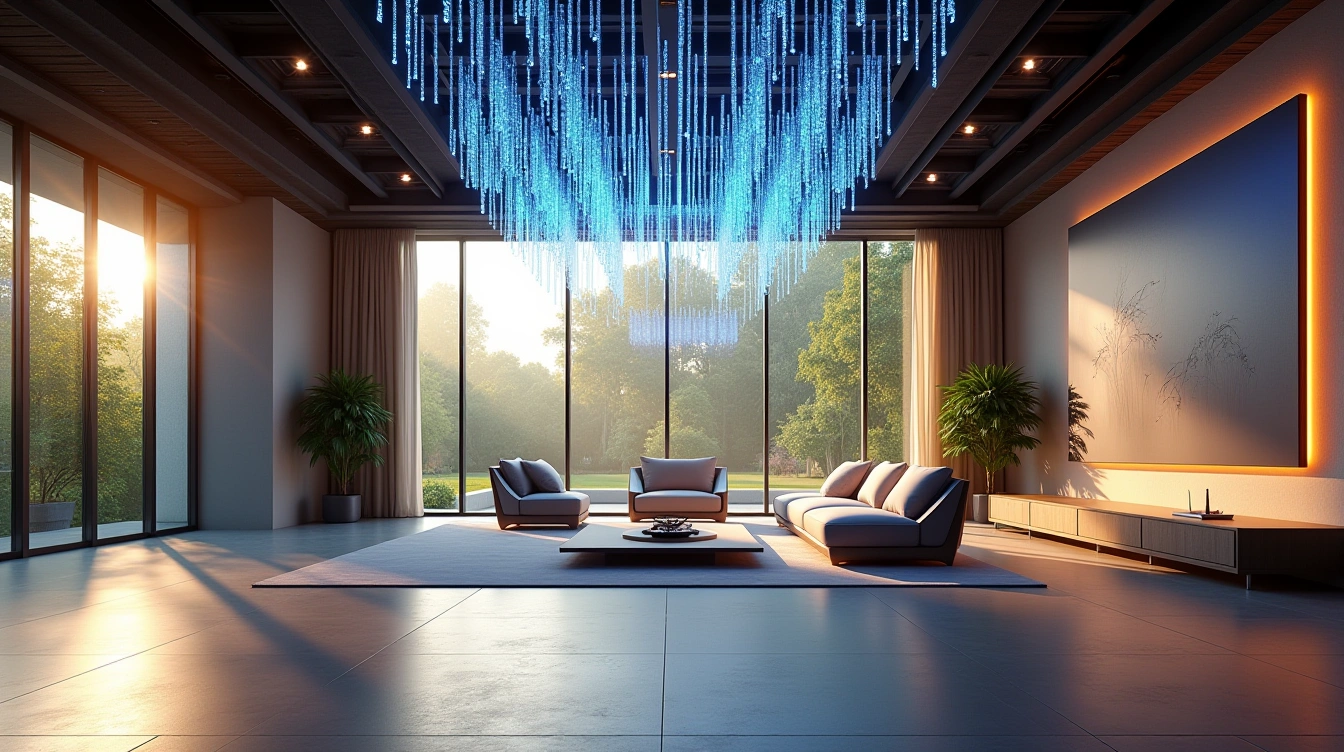
L'avenir de la recherche scénographique s'oriente vers des approches révolutionnaires qui transformeront fondamentalement notre compréhension des espaces événementiels. La durabilité environnementale émerge comme un axe majeur, poussant les chercheurs à développer des matériaux biodégradables et des systèmes de construction modulaires réutilisables.
Les neurosciences appliquées ouvrent des perspectives fascinantes sur l'impact psychologique des environnements scénographiques. Cette discipline émergente permet de mesurer précisément les réactions émotionnelles des participants et d'optimiser les designs pour maximiser l'engagement sensoriel.
L'inclusivité universelle redéfinit également les standards de conception, intégrant l'accessibilité dès la phase de recherche préliminaire. Les algorithmes de personnalisation révolutionnent l'expérience événementielle en adaptant automatiquement l'éclairage, la sonorisation et même la configuration spatiale aux préférences individuelles des participants.
Ces avancées technologiques et méthodologiques promettent de créer des événements plus immersifs, respectueux de l'environnement et véritablement inclusifs pour tous les publics.
Frequently Asked Questions About Event Scenography Research
Event scenography research involves complex methodologies and evolving trends. These frequently asked questions address the most common concerns professionals have when diving into creative research for event design projects.
What are the latest trends in creative event scenography research?
Current trends focus on sustainable design, immersive technology integration, and data-driven audience behavior analysis. Virtual reality prototyping and biometric feedback research are gaining significant traction in 2024-2025.
How do you conduct effective research for event scenography design?
Start with thorough audience analysis, study venue specifications, and analyze similar events. Combine quantitative data with qualitative insights through surveys, interviews, and behavioral observation studies.
What methodologies are used in creative event scenography studies?
Researchers employ ethnographic observation, design thinking workshops, prototype testing, and spatial analysis. Mixed-method approaches combining statistical analysis with creative experimentation yield the most comprehensive insights.
Where can I find reliable sources for event scenography research?
Academic databases, industry publications, trade show reports, and peer-reviewed journals provide credible data. Professional associations and specialized research institutions also offer valuable resources and case studies.
How does creative research impact event scenography outcomes?
Research-driven design increases audience engagement by 40-60% and reduces project risks. It enables data-informed decisions, optimizes spatial flow, and creates more memorable, impactful event experiences.